Inclusive Education Resources

Inclusive Education Resources
Inclusive Education Resources
Inclusive education practices are actions and approaches that ensure all students, regardless of their abilities or disabilities, have equal access to opportunities and resources. Inclusive classrooms are those in which students with disabilities are educated alongside their nondisabled peers to the "maximum extent appropriate," with specialized services and supports provided to help students succeed. Placement in a general education classroom, the Least Restrictive Environment (LRE), should be the first and primary consideration.
“Inclusion is a right, not a privilege for a select few." - Chief Judge John Gerry
The resources below provide information and guidance for general and special educators, related service providers, parents, paraprofessionals, and other individuals/groups who work, or will be working, with students in inclusive settings.
Accessible Educational Materials
Accessibility is not an afterthought—it is a proactive design choice. When instructional materials are designed with accessibility in mind, they benefit everyone.
Assistive Technology
Assistive Technology (AT) can level the playing field, foster independence, and ensure every learner can fully participate in the classroom.

Behavior Supports & Interventions
Behavioral supports and interventions in school refer to a set of strategies and practices used to promote positive student behavior by teaching expected actions, reinforcing positive behaviors, and addressing challenging behaviors proactively.
Co-Teaching
Two teachers, one classroom—sharing instructional leadership and assessment to support every student's growth.
Culturally Responsive Teaching
Explore materials that reflect diverse perspectives, histories, and cultures to ensure every student feels seen and valued.
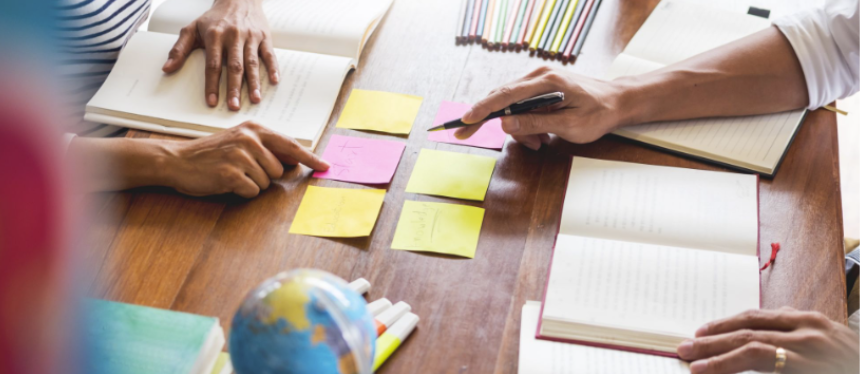
Differentiated Instruction
Practical tips for modifying lessons for neurodivergent students and students with IEPs or 504 plans.
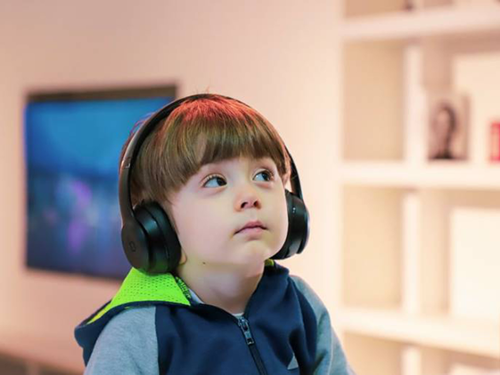
Disability Specific Resources
Explore disability-specific information, tools, and strategies to support the needs of diverse learners.
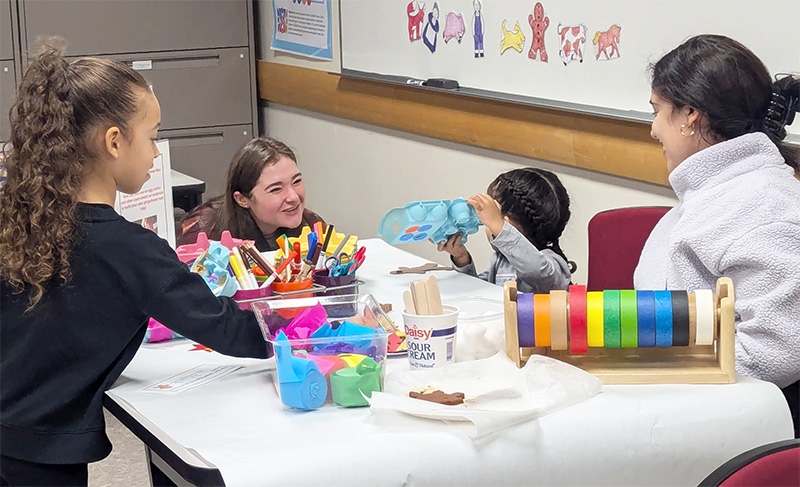
Family Engagement
Family engagement refers to a collaborative, strengths-based partnership between educators and families. It is a two-way relationship built on mutual trust, cultural respect, and ongoing communication.
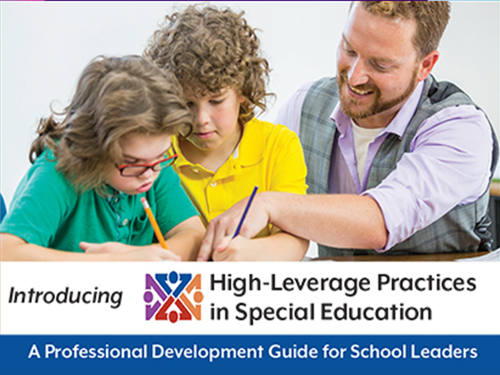
High-Leverage Practices (HLPs)
Learn about the High-Leverage Practices in Special Education initiative, led by the Council for Exceptional Children and the CEEDAR Center.
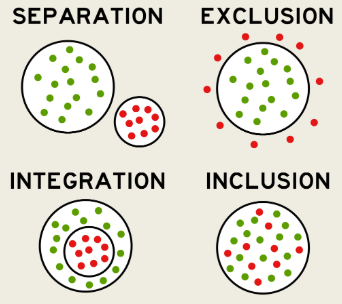
Inclusive Classrooms
Learn more about inclusive classrooms, where students with disabilities are educated alongside their nondisabled peers.
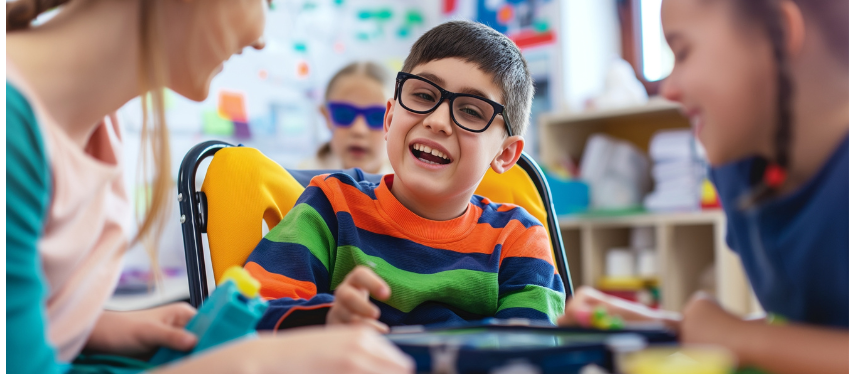
Inclusive Language
Inclusive language avoids biases, stereotypes, and expressions that may directly or inadvertently exclude, demean, or diminish any group of people.
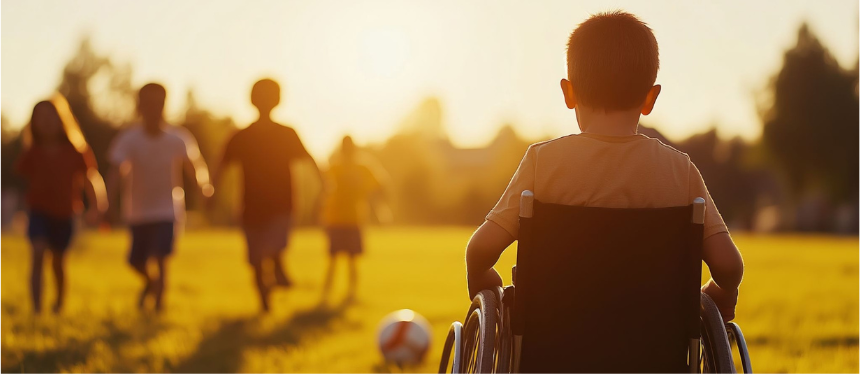
Inclusive Sports & Recreation
Inclusive sports and recreation focus on making activities accessible to everyone, regardless of ability, by modifying rules, equipment, or the activity itself.
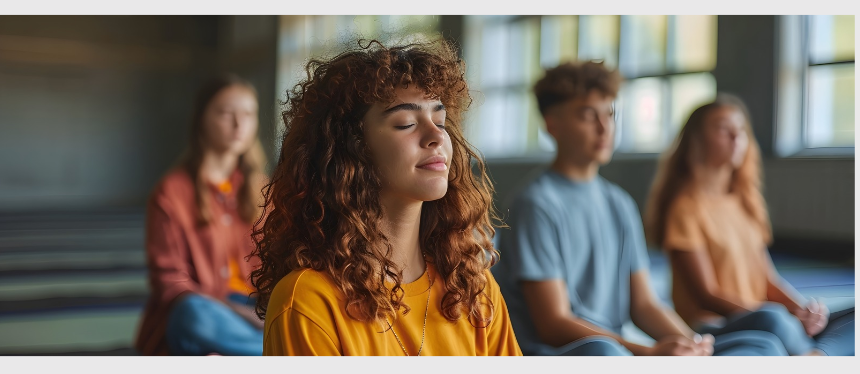
Mental Health
Explore mental health resources, intervention contacts, and wellness tools to support emotional well-being.
Neurodiversity
Neurodiversity honors natural differences in how brains work, shifting the focus from deficits to supporting and celebrating neurodivergent learners.

NJDOE Inclusive Education Practices and Partnerships
Empowering all students through accessible, high-quality education built on the core values of inclusion, belonging, and shared success.
On-Demand Professional Learning Videos
Explore these on-demand professional learning videos designed to foster inclusive education, family engagement, and student success.
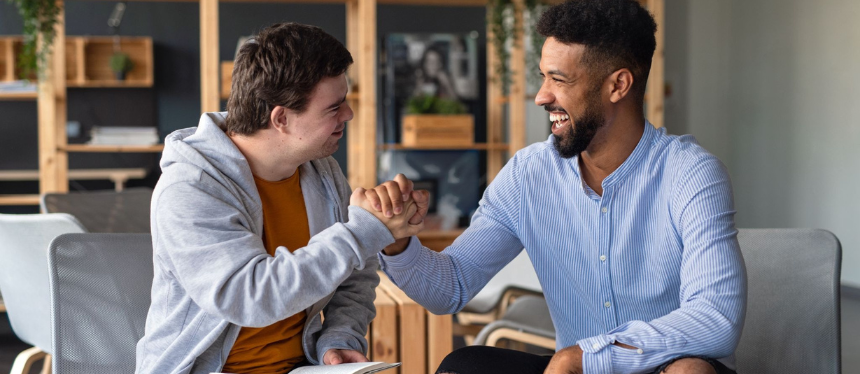
Post-Secondary Transition
Coordinated support designed to prepare students with disabilities for life after school—focusing on education, employment, and independent living skills.

Professional Resources for Inclusive Education
Connect directly to trusted professional organizations at the forefront of inclusive education.

Sensory Integration
From sight and touch to balance and body awareness, sensory integration helps the brain make sense of everyday inputs to build a strong foundation for growth and self-regulation.

Social and Emotional Learning
Social and Emotional Learning (SEL) builds the core skills needed to navigate feelings, foster empathy, achieve positive goals, and make thoughtful life choices.
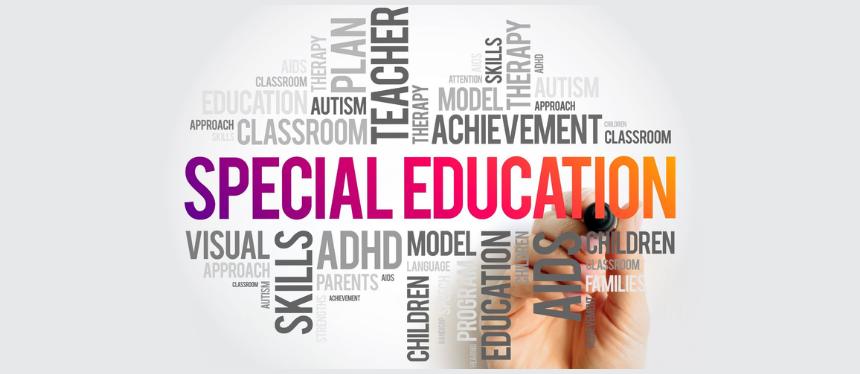
Special Education 101
Break down barriers with clear, plain-language resources designed to help families and caregivers understand essential special education terminology and procedures.
Systems of Support
A proactive, school-wide framework designed to identify student needs early and deliver tailored support for their success.
Teacher/Paraprofessional Teams
Paraprofessionals partner with teachers to deliver targeted academic, behavioral, and classroom support so every student can succeed.
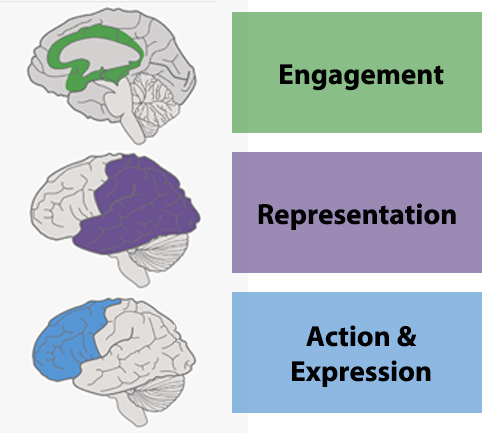
Universal Design for Learning
Grounded in the science of how we learn, UDL optimizes teaching to empower every student to become a purposeful, resourceful, and strategic learner.

In collaboration with the New Jersey Department of Education (NJDOE) Office of Special Education (OSE), we provide FREE services including professional development, technical assistance, and professional learning opportunities for school districts, educators, and families of students with identified disabilities.
Disclaimer
These links are being provided as a convenience and for informational purposes only; they do not constitute an endorsement or an approval by the Learning Resource Center-South of any of the products, services or opinions of the corporation or organization or individual. The Learning Resource Center-South bears no responsibility for the accuracy, legality or content of the external site or for that of subsequent links. Contact the external site for answers to questions regarding its content.

