Inclusion 101
Inclusion 101
Inclusion 101
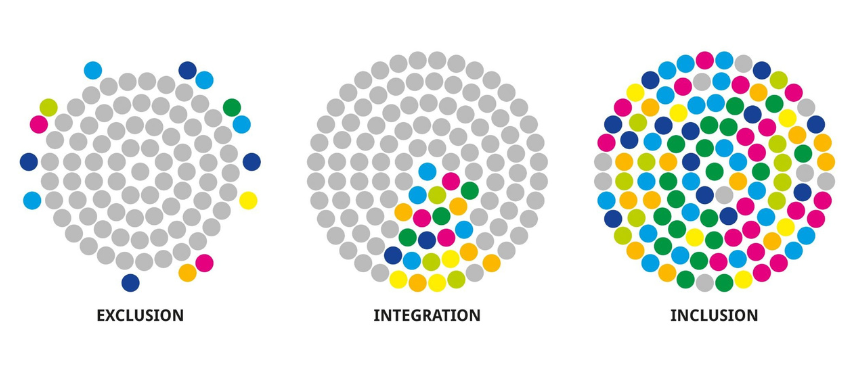
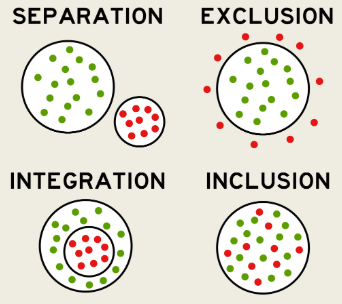
Inclusion ensures that all students—regardless of ability, background, or learning style—have equal access to high-quality education in the same classrooms. It focuses on removing systemic barriers and tailoring instruction so that every child can learn, belong, and thrive alongside their peers.
The resources below will help general and special educators, related service providers, parents, paraprofessionals, and other individuals/groups who work with student populations to gain an understanding of inclusive education practices.
Inclusive Classrooms
Learn more about inclusive classrooms, where students with disabilities are educated alongside their nondisabled peers.

Inclusive Language
Inclusive language is communication that avoids biases, stereotypes, and expressions that may directly or inadvertently exclude, demean, or diminish any group of people. Words matter.

Inclusive Sports & Recreation
Inclusive sports and recreation focus on making activities accessible to everyone, regardless of ability, by modifying rules, equipment, or the activity itself.
Neurodiversity
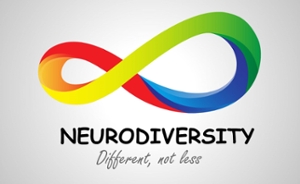
Neurodiversity is the view that brain differences—like autism, ADHD, and dyslexia—are natural human variations rather than deficits. Those with atypical cognitive functioning are described as neurodivergent.
Special Education 101
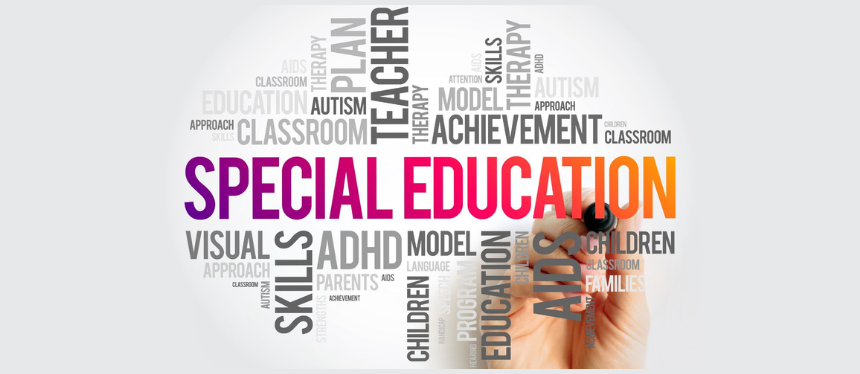
Special education terminology can be confusing to those outside of the field. These resources aim to break down barriers and provide a basic understanding of the terms and processes of Special Education.
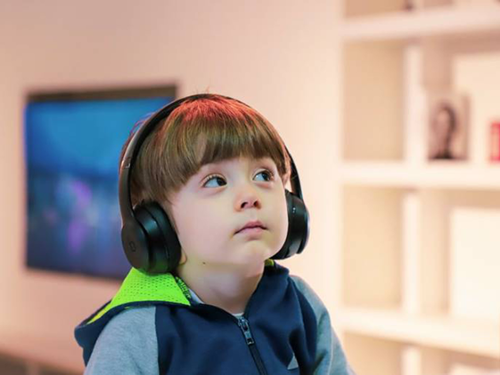
Disability-Specific Resources
Explore disability-specific information, tools, and strategies to support the needs of diverse learners.

Click Here to browse LRC-South's collection of free Online Resources for use by educators and families.
Disclaimer
These links are being provided as a convenience and for informational purposes only; they do not constitute an endorsement or an approval by the Learning Resource Center-South of any of the products, services or opinions of the corporation or organization or individual. The Learning Resource Center-South bears no responsibility for the accuracy, legality or content of the external site or for that of subsequent links. Contact the external site for answers to questions regarding its content.

