Instructional Design for All Learners

Instructional Design for All Learners
Instructional Design for All Learners
Instructional Design for All Learners is a proactive, student-centered framework that intentionally builds flexibility into curriculum and instruction from the ground up. Instead of designing a lesson for the "average" student and retrofitting accommodations later, this approach assumes student diversity is the norm. It blends evidence-based frameworks to eliminate systemic barriers, ensuring every student has equitable access to high-quality grade-level content.
Use the resources below to learn more about actionable strategies and tools to support diverse learners, including High Leverage Practices (HLPs), Multi-Tiered Systems of Supports (MTSS), Universal Design for Learning (UDL), and Accessible Educational Materials (AEM).

Accessible Educational Materials
Accessibility is not an afterthought—it is a proactive design choice. When instructional materials are designed with accessibility from the beginning, they benefit everyone, including students with disabilities, neurodivergent learners, and those using assistive technology.

Assistive Technology
Assistive Technology (AT) has the power to level the playing field, foster independence, and ensure that every learner and individual can fully participate in the classroom.

Co-Teaching
Co-teaching is a collaborative instructional model where two professional educators share responsibility for planning, delivering instruction, and assessing students in the same classroom, at the same time.

Culturally Responsive Teaching
Explore materials that reflect diverse perspectives, histories, and cultures to ensure every student feels seen and valued

Differentiated Instruction
Practical tips for modifying lessons for neurodivergent students and students with IEPs or 504 plans.
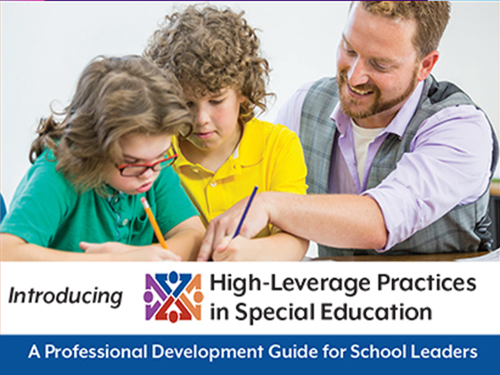
High-Leverage Practices (HLPs)
Learn about the High-Leverage Practices in Special Education initiative, led by the Council for Exceptional Children and the CEEDAR Center.

Systems of Support
A system of supports refers to a highly structured, school-wide framework designed to catch struggling students early and proactively provide them with the exact level of help they need.
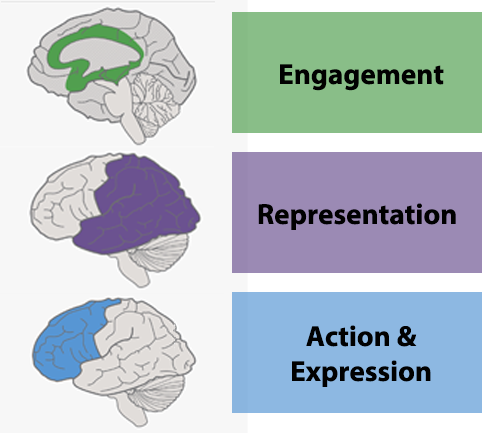
Universal Design for Learning
UDL is a framework to improve and optimize teaching and learning for all students. The goal of UDL is learner agency that is purposeful & reflective, resourceful & authentic, strategic & action-oriented.

NJDOE Inclusive Education Practices and Partnerships
NJDOE resources focused on providing access to high-quality education for all students in an educational environment that is inclusive and rooted in the belief that everyone belongs and everyone benefits.

Browse LRC-South's collection of free Online Resources for use by educators and families.
Disclaimer
These links are being provided as a convenience and for informational purposes only; they do not constitute an endorsement or an approval by the Learning Resource Center-South of any of the products, services or opinions of the corporation or organization or individual. The Learning Resource Center-South bears no responsibility for the accuracy, legality or content of the external site or for that of subsequent links. Contact the external site for answers to questions regarding its content.

