Sensory Integration
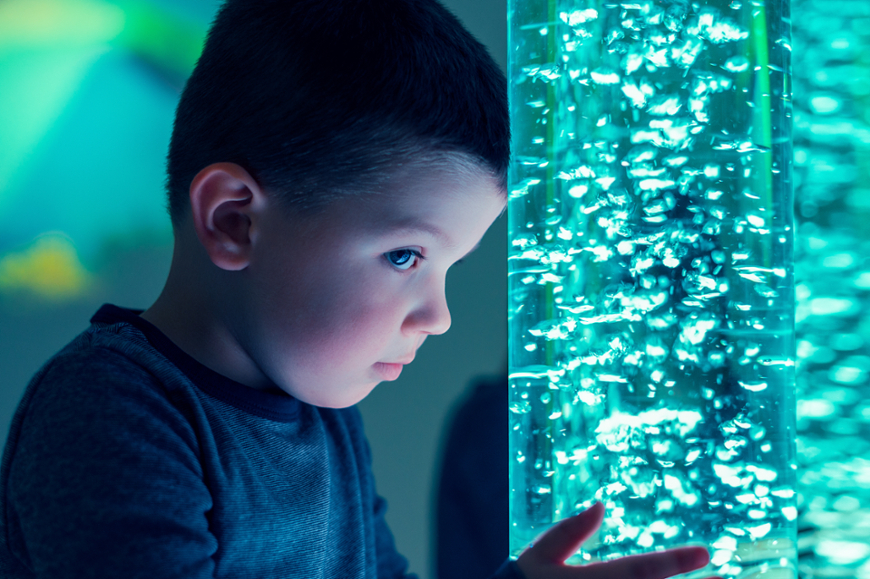
Sensory Integration
Sensory Integration & Sensory Processing
Sensory integration is an essential part of an individual’s development. It is the process by which the brain receives, organizes, and interprets information from the five senses (sight, hearing, touch, taste, and smell), as well as the vestibular (balance) and proprioceptive (body position) systems.
Sensory integration is essential for coordinating movements, adapting to the environment, and performing everyday tasks. It helps define the way you see, hear, and interact with things in the world, but many individuals experience sensory processing challenges, which can lead to variations in behavior.
Recognizing sensory processing variations is a large part of creating inclusive environments. Providing accommodations—such as noise-canceling headphones, flexible seating, scheduled sensory breaks, or dimmable lighting—helps individuals regulate their nervous systems so they can focus, learn, and feel comfortable.
The resources below will help you understand what sensory integration is and provide guidance on how you can support individuals with sensory processing disorder.
Resources
Free Sensory Resources | Sensory Integration Education - A collection of free, expert-developed resources designed to help you better understand and support people with sensory processing and integration challenges. From practical guides and tip sheets to classroom tools and parent-friendly materials, these downloadable resources are ideal for therapists, educators, and families alike.
Quick Guide to Sensory Processing Issues - Child Mind Institute
School Sensory Rooms | National Autism Resources - Sensory rooms are now common in schools, hospitals and community centers. These rooms use sensory equipment to create a controlled sensory-focused environment. These environments allow sensory experiences to be individually tailored to meet the specific needs of an individual.
Sensory Issues | Autism Speaks - Sensory issues are common in people with autism. When the brain has to put all of its resources into sensory processing, it can shut off other functions, like speech, decision making and information processing. Each person is unique, and this includes their personal sensory sensitivities.
Sensory Processing Issues Explained - Child Mind Institute - Oversensitivity, tantrums, clumsiness: all could point to problems taking in the world.
Sensory Room 101 | Edutopia - A sensory room—a therapeutic space with a variety of equipment that provides students with special needs with personalized sensory input—helps these children calm and focus themselves so they can be better prepared for learning and interacting with others.
Sensory seeking and sensory avoiding: What you need to know | Understood.org - Kids don’t all have the same reactions to situations and stimuli. But their responses tend to fall into one of two categories. Some kids tend to be “sensory seekers.” They underreact to sensory input or need more of it to function. Others are generally “sensory avoiders.” They overreact to sensory input and become overwhelmed and hyperactive.
Sensory Seeking and Avoiding Behaviors | LRC-South - Many children exhibit some of these behaviors, but for some individuals with sensory needs these behaviors can extend to the point of becoming problematic or potentially harmful. Here are some cues to look for, and some strategies to help you manage these sensory needs.
Sensory Spaces in Schools | NCSE - Booklet created to provide information on sensory processing and advice on the use of sensory spaces that should be used for general purposes.
Understanding our Sensory Systems: Sensory Integration 101 | NJDOE OSE
Understanding sensory processing challenges in your child | Understood.org - When kids have outbursts or get upset by things in the environment, it’s often because of sensory processing challenges. Their brains have trouble managing the information that comes in from the senses. That includes the five main senses: taste, smell, sound, touch, and sight. It also includes three senses that impact body and space awareness and movement.
What Is Sensory Integration? | Healthline - Explore everything you need to know about sensory integration and sensory processing disorder, including how sensory integration therapy may help manage the symptoms of sensory challenges.
What Is Sensory Processing Disorder? | ADDitude - Do loud noises, sticky fingers, and tags on clothes send you into a tailspin? You might be dealing with sensory processing disorder.
What is a Sensory Room? | Interaction - A sensory room is a specially designed space that provides individuals with a controlled and immersive sensory experience. These rooms are not only used for relaxation and stress relief but also as therapeutic tools for various sensory processing disorders, disabilities, and cognitive conditions.

Explore additional resources available at the LRC-South library with our Alexandria Researcher.
We offer a collection of PreK-21 educational materials, eBooks, professional books, and resources for LRC-South members to borrow. Search by title, subject, author, medium, or content area.
You can also Explore Lists curated by resource collections and content areas.


