Universal Design for Learning
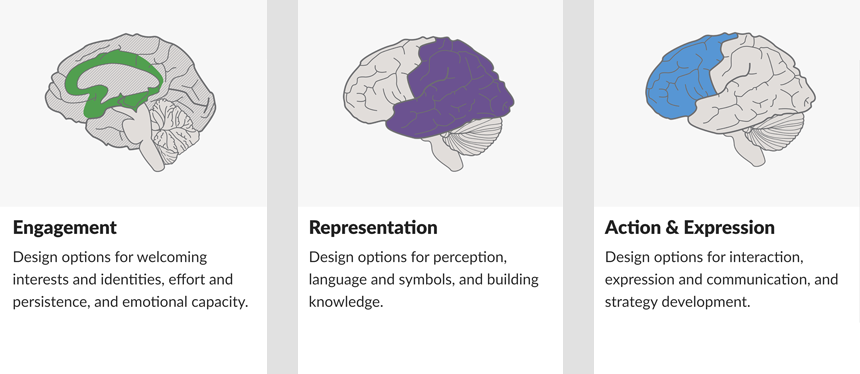
Universal Design for Learning
Universal Design for Learning
Universal Design for Learning (UDL) is a teaching approach that aims to create inclusive learning environments by removing barriers and providing students with multiple ways to learn and demonstrate their knowledge. UDL is based on the idea that all students should have equal opportunities to learn, regardless of their abilities, cultural background, or other factors.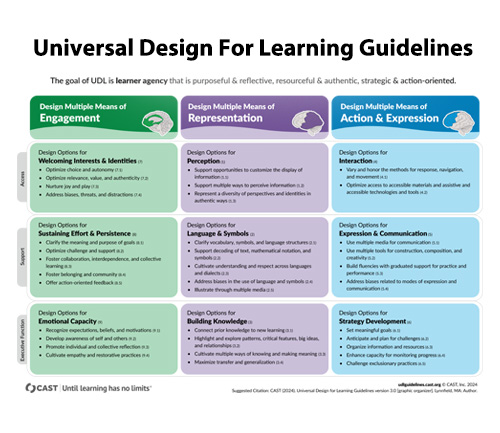
Understanding the UDL Framework
UDL is a framework designed to improve teaching and learning for all by proactively removing barriers in the curriculum and providing students with agency in their learning.

Implementing UDL in the Classroom
UDL is an approach to teaching that focuses on meeting the needs of every student in a classroom. Here are some resources to help you implement UDL in your classroom.

Understanding Learner Variability
We are all different. Variability is the rule, not the exception. Learner variability recognizes that everyone brings a unique collection of abilities and experiences to their learning.

Check our Online Resources to view LRC-South's collection of free resources for use by educators and families.